Menu

Omron sensors Distributor | Page 7 of 11

Omron Sensor Selection: Proximity, Photoelectric or Fiber

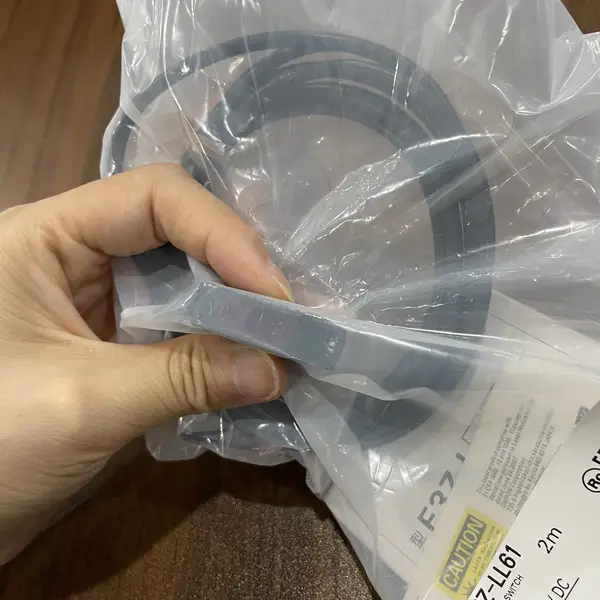
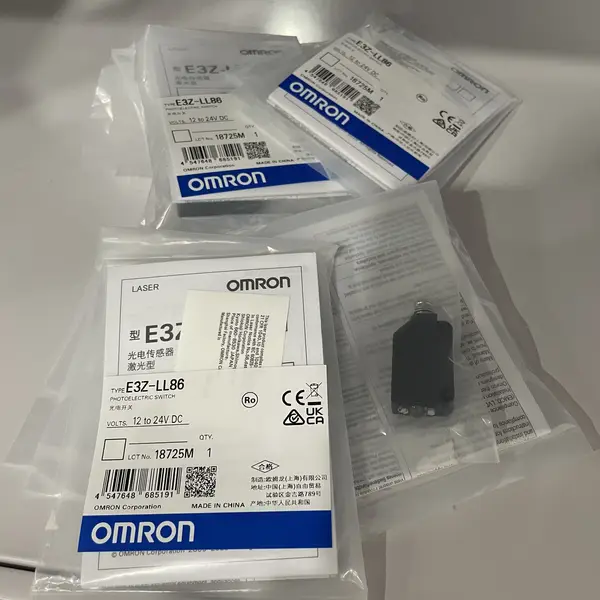
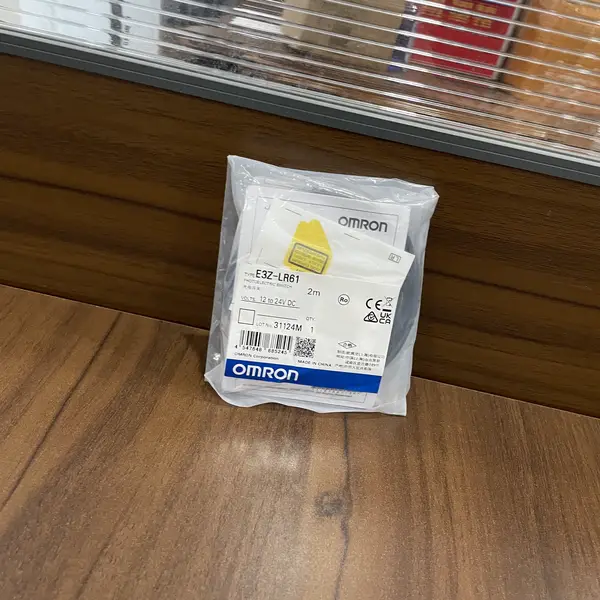
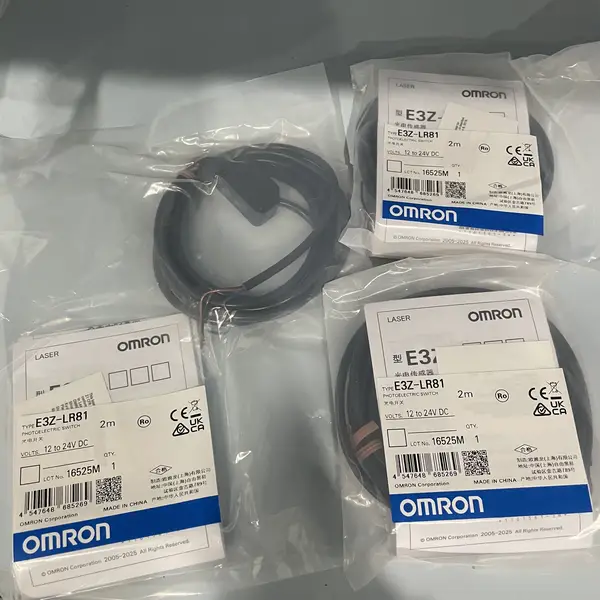
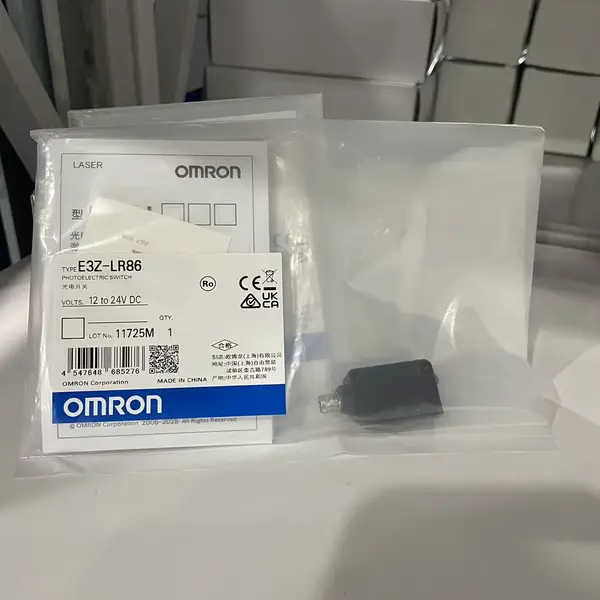
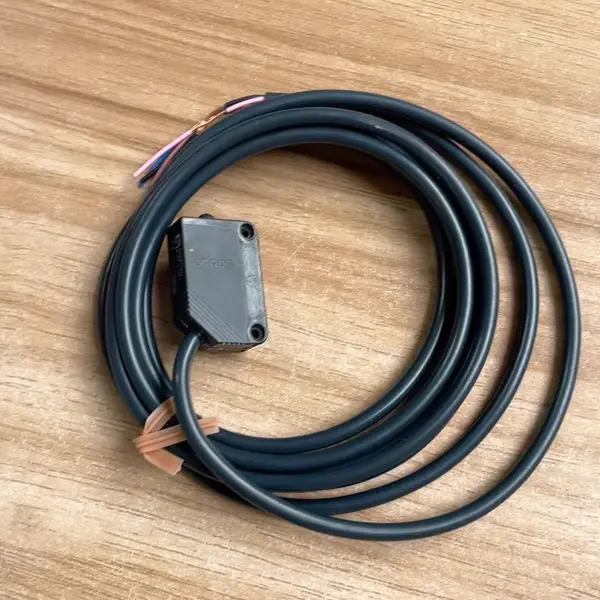
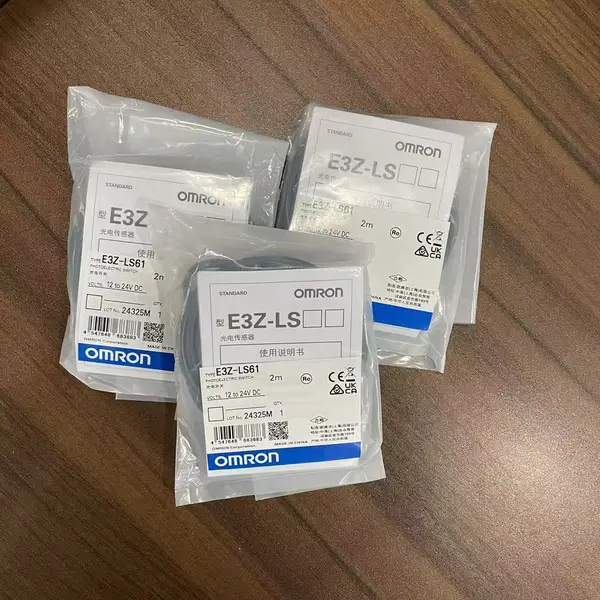
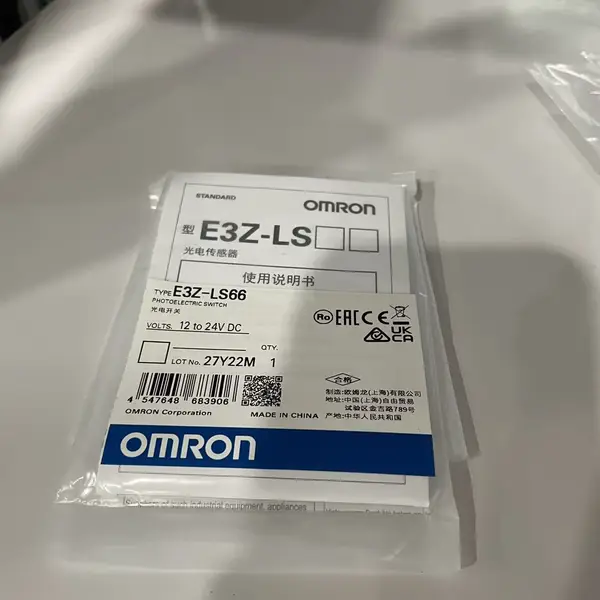
Start with what you are detecting, not the model number. Inductive proximity sensors (E2B, E2E) detect metal only — no contact, immune to dust and oil, the default choice for jigs, cylinders and metal parts. Photoelectric sensors (E3Z, E3FA, E3JK, E3T) detect almost any material at longer range — use them for boxes, bottles, films and non-metallic parts. Fiber-amplified sensors (E3X amplifiers with E32 fibers) solve the tight spaces and hostile environments where a standard housing does not fit.

Then fix the constraints: sensing distance and margin, NPN or PNP to match your PLC inputs, output type, connector style, and IP rating. E2B is Omron's value line for short-range detection; E2E covers longer ranges and more housing styles. E3FA/E3FB add IP69K washdown ratings for food and beverage lines. If the target is tiny, reflective, or transparent, a fiber pair with the right aperture usually beats forcing a diffuse sensor.

Every sensor listed is genuine Omron stock with verified sensing specifications. Send the target material, required distance, and environment (washdown, dust, temperature) and we will shortlist two or three models that actually work on your line.

Popular Series and Buying Notes

Featured Product Guides

  • Use exact SKU matching for replacements, especially when terminal type and communication suffixes differ.
  • For sensors projects, sharing machine model, load profile, and installation environment helps us recommend the right variant faster.
  • Ask for quotation with quantity tiers to compare unit pricing and lead-time options in one response.

131 products available in this category.
Why Choose Omron sensors?

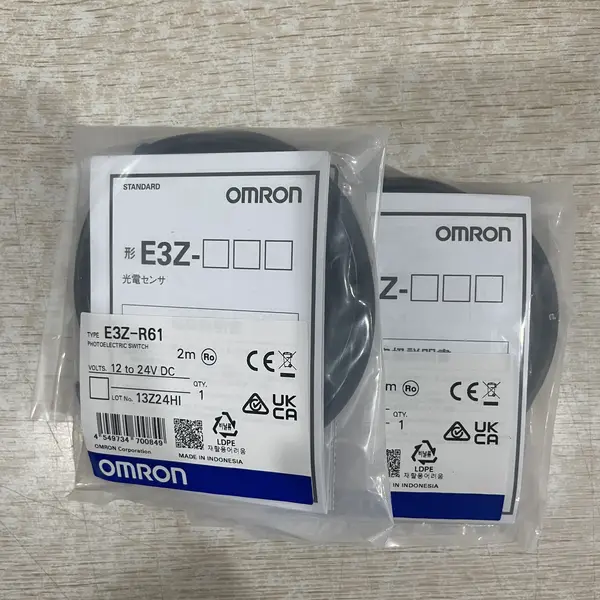
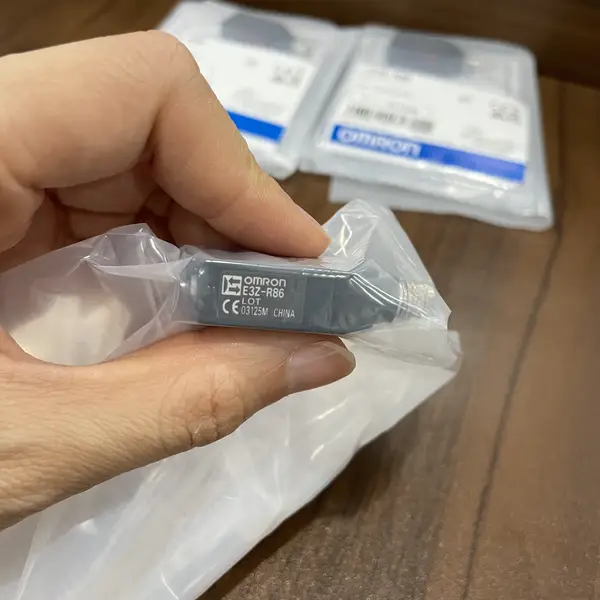
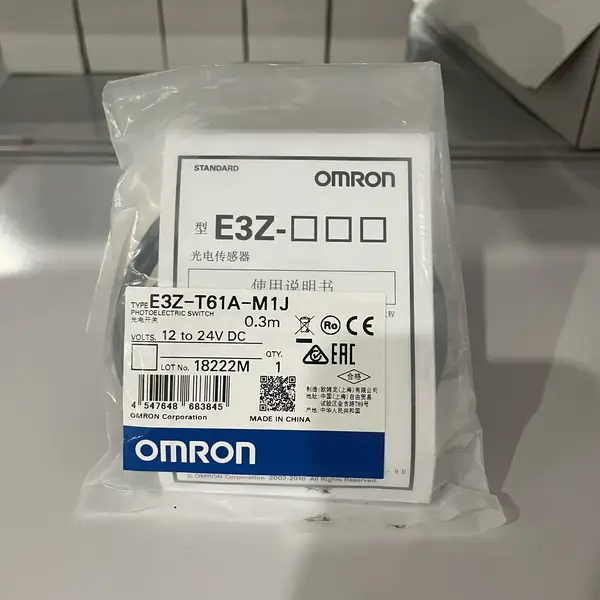
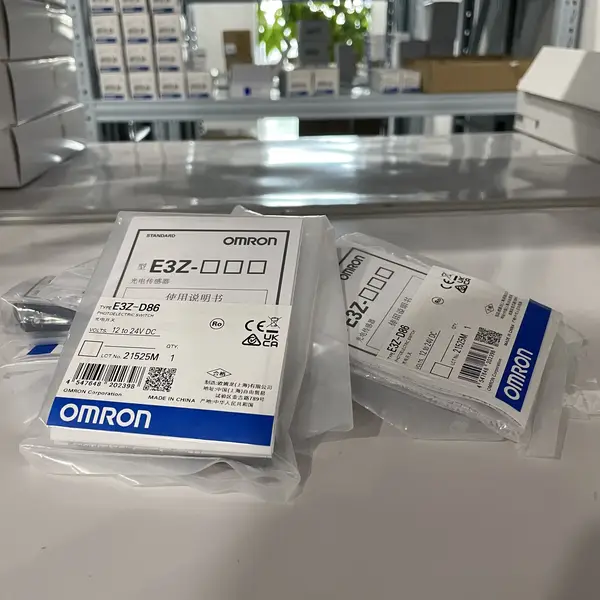
Genuine Omron sensors in stock: E2B/E2E proximity, E3Z/E3FA photoelectric, E3X fiber - NPN/PNP and IP69K options. Every sensor is spec-checked against your target, distance and environment before shipping.

  • Superior detection capabilities for a wide range of materials and conditions
  • Robust, IP-rated housings for reliable operation in harsh environments
  • A diverse portfolio including photoelectric, proximity, fiber-optic, and vision sensors
  • Simple installation and intuitive setup to reduce commissioning time
  • Advanced diagnostics and IO-Link communication for smart factory integration
  • Miniature and compact models for flexible mounting in tight spaces
omron industrial sensor

Frequently Asked Questions

What is the difference between Omron E2B and E2E proximity sensors?
Both are inductive proximity sensors for metal detection. E2B is the value line: shorter sensing distances, fewer housing options, lower cost. E2E is the standard line with longer ranges, more sizes and thread types, and variants rated for tougher environments. For a standard 24 VDC machine with short-range detection, E2B is usually enough; for maximum sensing distance or special housings, choose E2E.
Which Omron sensor works in washdown or food-processing environments?
Look for IP67 and especially IP69K-rated models. In the photoelectric range, the E3FA/E3FB family carries IP69K for high-pressure hot-water washdown. In the proximity range, E2E variants in stainless-steel housings handle daily cleaning. Pair them with IP69K cabling and connectors — the sensor rating only holds if the whole installation matches.
When should I choose a fiber sensor (E3X/E32) instead of a photoelectric sensor?
Choose fiber when the sensing head must be tiny, mounted in a tight space, heated, or chemically exposed: only the passive fiber tip goes into the harsh zone while the amplifier stays in the cabinet. Fiber pairs also give precise through-beam detection of small or transparent objects. Choose a self-contained photoelectric like E3Z or E3FA when you have room for the housing and want simpler setup.
Are your sensors NPN or PNP, and how do I choose?
Most Omron sensors are available in both. NPN (sinking) is common in Asian and many European machines; PNP (sourcing) is standard in North American and most modern safety-oriented designs. Match the sensor output to your PLC input common. If you are unsure, tell us your PLC model and we will specify the correct output type before shipping.