Menu

Omron switches Distributor | Page 2 of 2

Omron Limit, Basic and Micro Switches: D4C, SS-5, EE-S

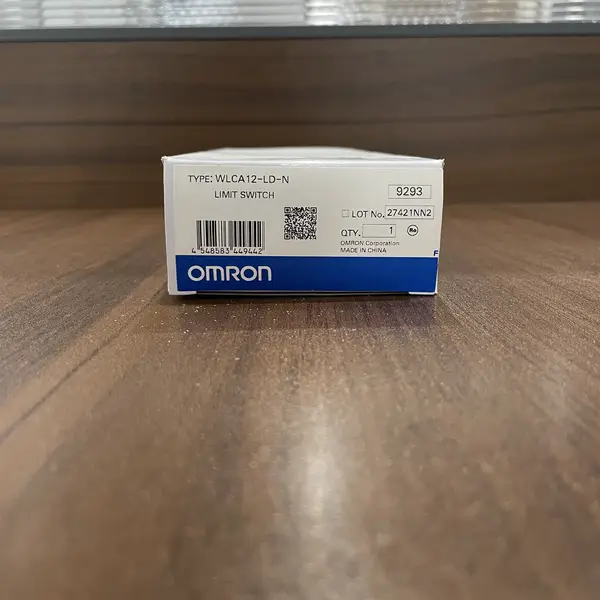
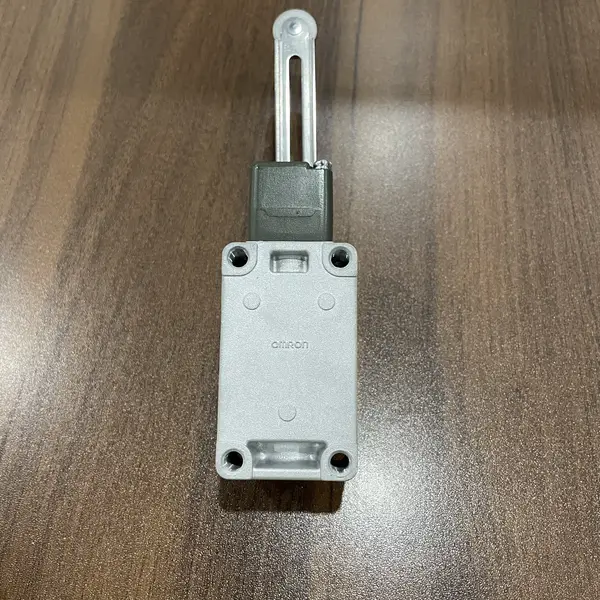
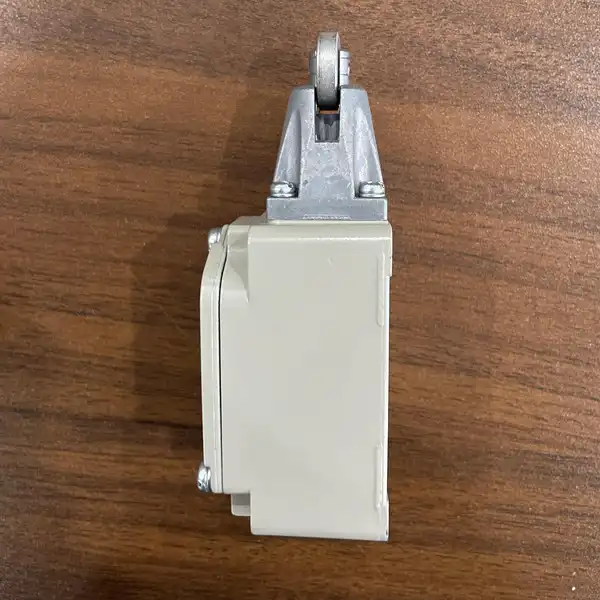
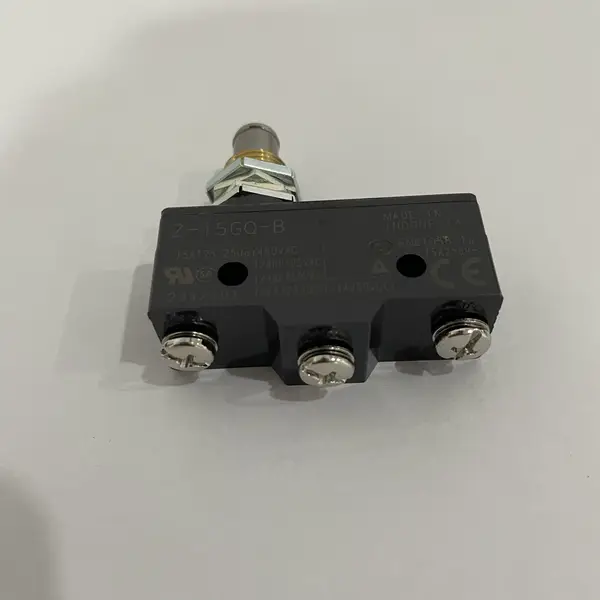
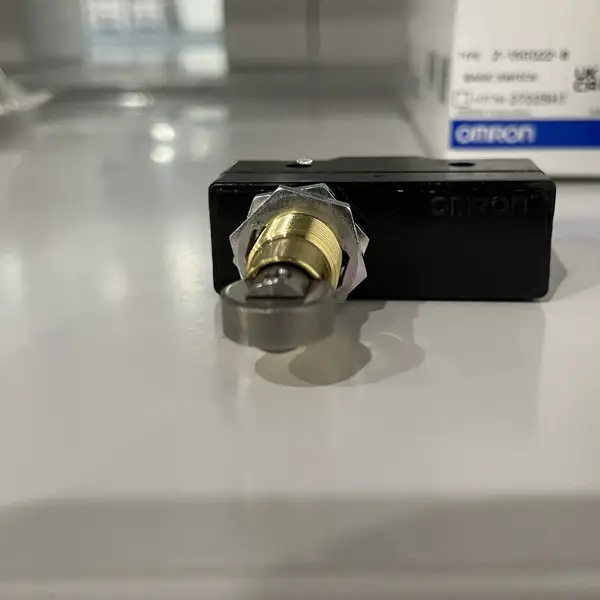
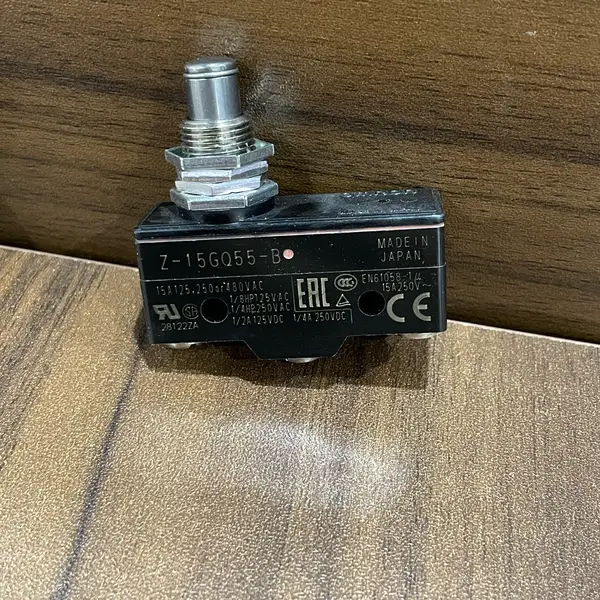
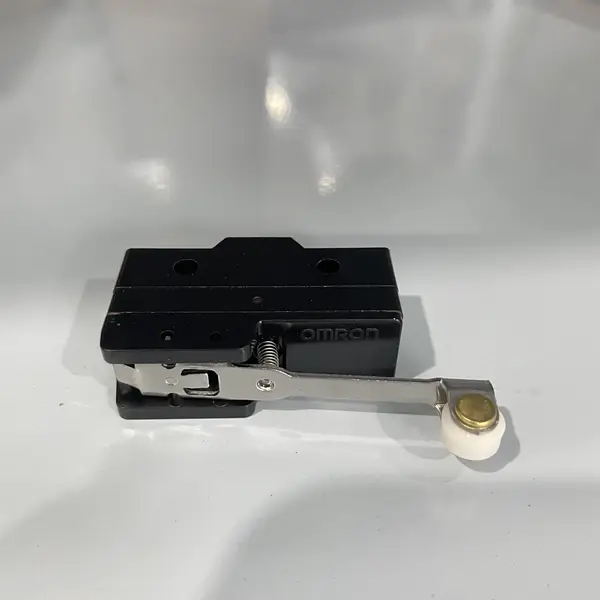
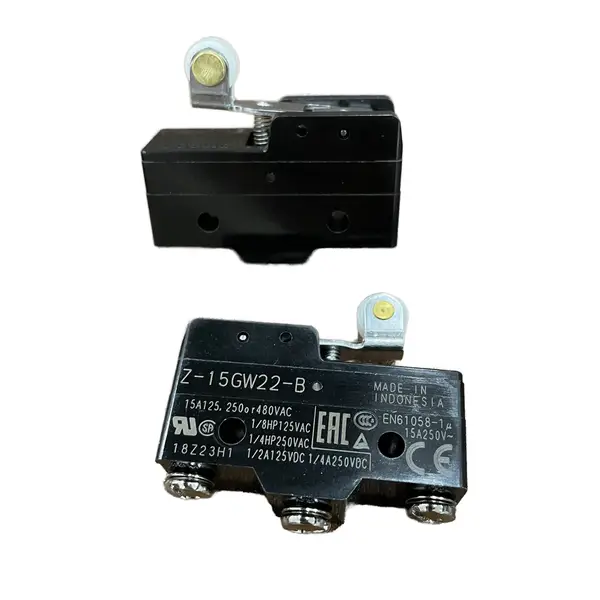
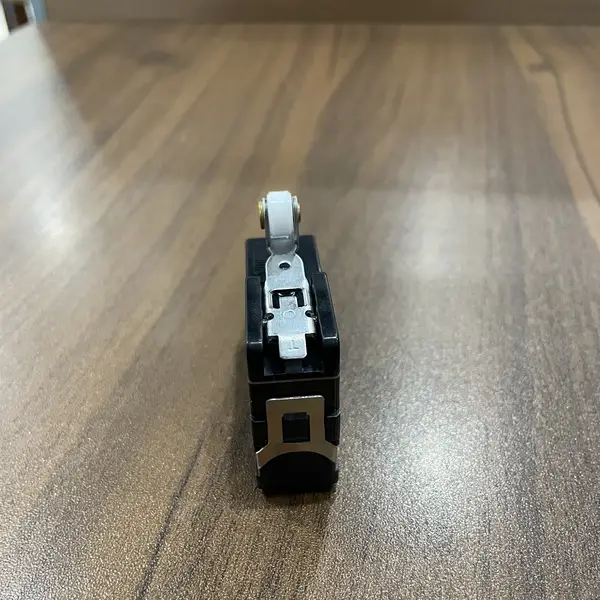
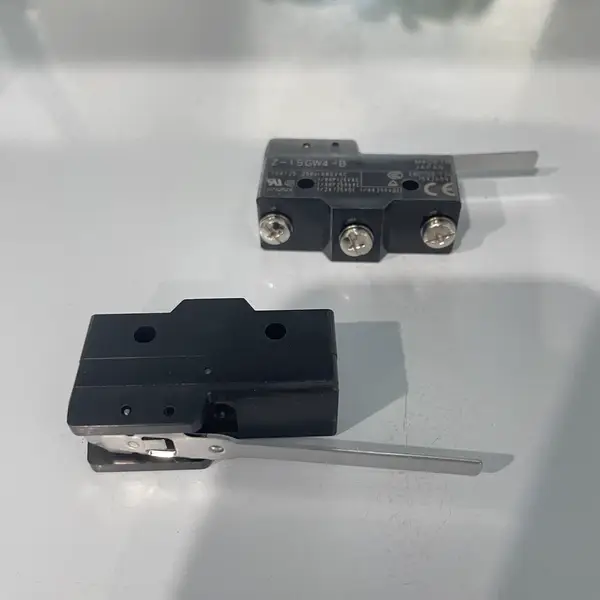
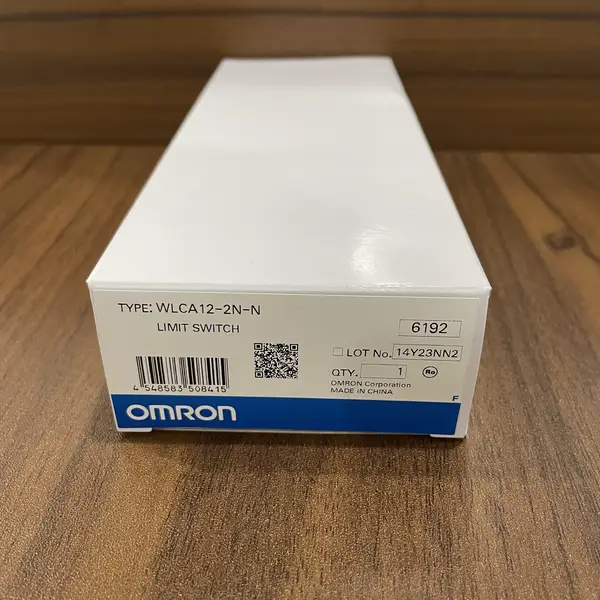
Position detection with a contact splits into three families. Basic switches (SS-5 and similar snap-action types) are the small, fast, cheap workhorses for panels, appliances and light-duty mechanisms. Limit switches (D4C sealed family and relatives) put that same snap-action contact inside a rugged metal housing with an actuator head — roller plunger, lever, roller lever — for direct mounting on machine frames. Micro switches (EE-S series) are precision, low-force devices for detection where travel and operating force must be minimal.

Selection starts at the mechanics: what moves, how far, and how fast. Roller-lever limit switches suit sliding gates and carriages; plunger types suit cam-driven motion; fork-lever types suit printed-circuit and small-part detection. Then confirm electricals — contact rating for the load (often 24 VDC PLC inputs, but mains-rated versions exist), and environment: the D4C family is sealed against oil and dust for machine-tool duty, while open basic switches belong in enclosures.

If you are replacing a legacy switch, the actuator and mounting pattern matter more than the contact rating — send a photo of the installed switch and the machine motion, and we will match the head type and body thread so it bolts straight on.

Popular Series and Buying Notes

  • Use exact SKU matching for replacements, especially when terminal type and communication suffixes differ.
  • For switches projects, sharing machine model, load profile, and installation environment helps us recommend the right variant faster.
  • Ask for quotation with quantity tiers to compare unit pricing and lead-time options in one response.

23 products available in this category.
Why Choose Omron switches?

Genuine Omron switches in stock: D4C limit, SS-5 basic and EE-S micro switches. Send a photo of the installed switch and we match the actuator head and mounting pattern.

  • A comprehensive range including basic, limit, pushbutton, and thumbwheel switches
  • High-precision actuation and repeatability for critical control tasks
  • Robust construction with sealed options for reliability in demanding environments
  • Long mechanical and electrical lifespans ensure maximum machine uptime
  • Wide variety of actuator types, terminal styles, and electrical ratings
  • Global certifications and compliance for seamless international integration
omron limit and micro switches

Frequently Asked Questions

What is the difference between a limit switch and a basic switch?
A basic switch (SS-5 class) is the bare snap-action mechanism in a small plastic housing — it mounts inside an enclosure on the machine. A limit switch (D4C family) bolts the same class of mechanism into a sealed metal body with an actuator head (roller plunger, roller lever, fork lever) that survives oil, chips and direct machine mounting. Choose a limit switch when the switch lives on the machine in the dirt; choose a basic switch when it lives inside a control box.
How do I choose a micro limit switch for high-cycle duty?
Check three things: mechanical life rating (premium snap-action mechanisms reach tens of millions of operations), operating force and travel (pre-travel and over-travel must suit your actuator), and the contact rating for the actual load — most micro switches on 24 VDC PLC inputs see little stress, but a mains-rated contact wears faster at low current. For very high cycle rates, consider whether an inductive or photoelectric sensor would outlive any contact.
Which Omron limit switch replaces my old model?
Omron has kept the D4C family largely form-factor stable, so most older D4C models map to a current variant with the same head and mounting. For discontinued or very old bodies, match the actuator type (plunger / roller lever / fork), the conduit or thread entry, and the contact configuration. Send us the old model number or a photo of the installed switch and we will identify the exact current replacement.
What do the SS-5 switch suffixes mean?
In the SS-5 basic-switch family the number encodes the operating force class, and the suffix letters encode lever and terminal options — for example lever shape (pin, roller, simulated roller) and terminal type (quick-connect vs solder). The exact suffix determines how the switch is actuated and terminated, so match the suffix, not just the base model, when replacing.