
Omron Relays — G2R, G6B, G3NA & G7SA
Omron Relays: G2R/G6B Interface, G3NA/G3PE Solid-State, G7SA Safety
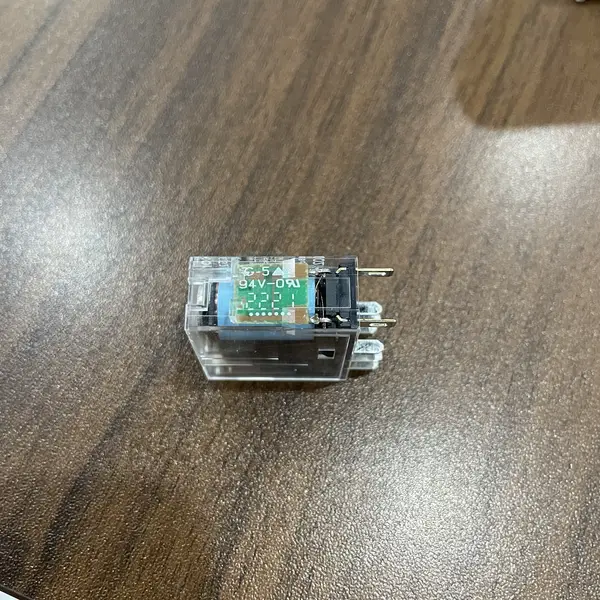
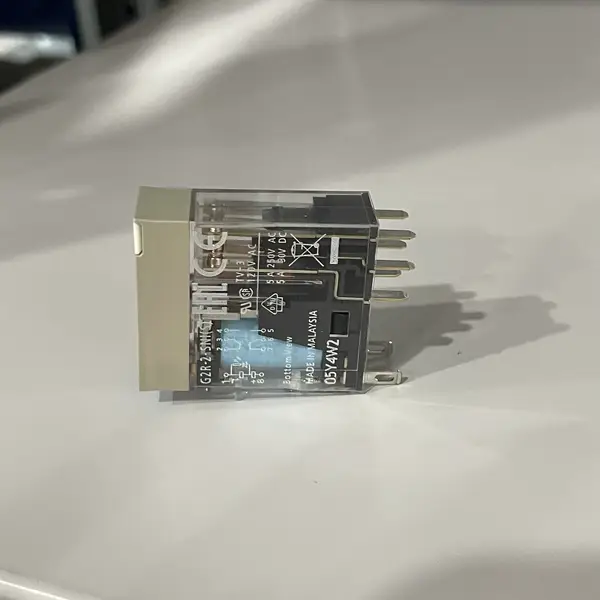
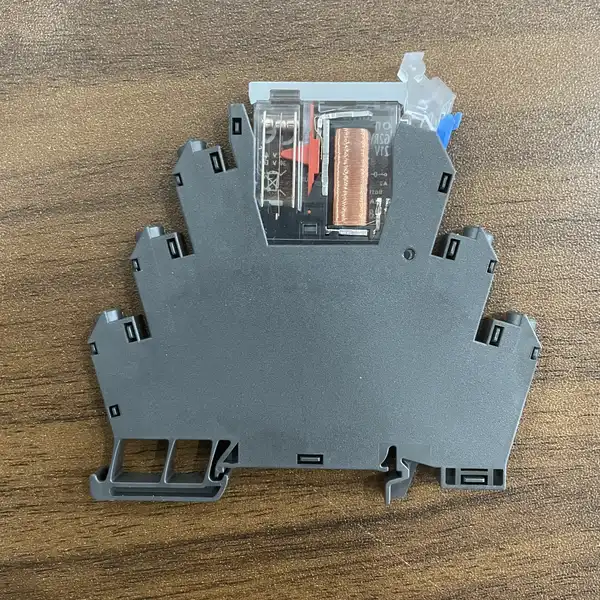
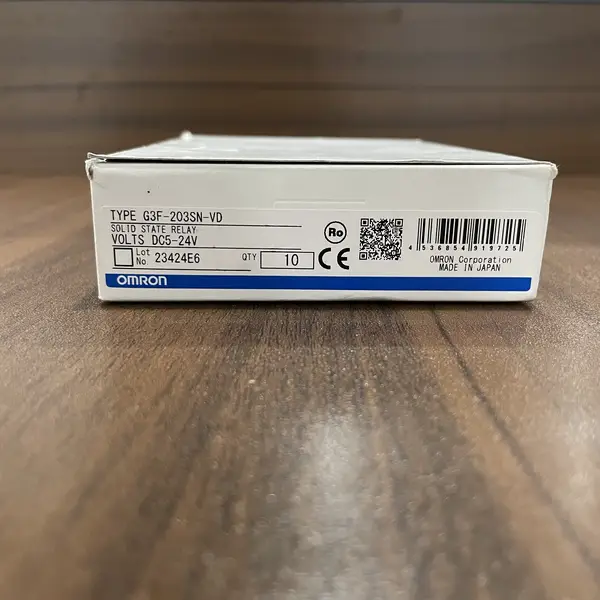
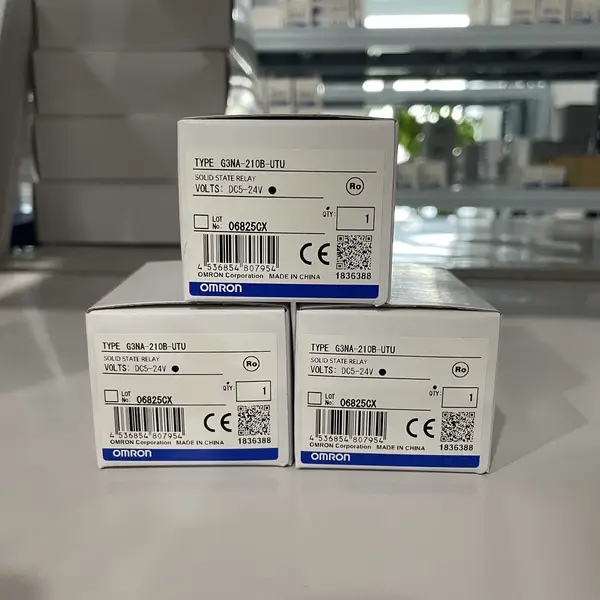
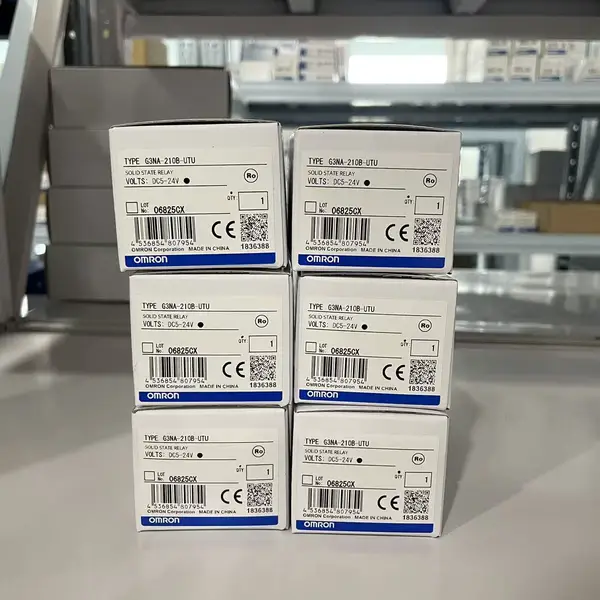
Panel relays fall into three jobs. Interface relays (G2R plug-in with P2RF sockets, G6B slim signal relays) switch logic-level loads between a PLC output and the field device — 5 A class contact ratings, millions of mechanical operations. Solid-state relays (G3NA, G3PE) switch without contacts for high cycle rates, silent operation and resistive/heater loads where contact wear would dominate maintenance. Safety relays (G7SA, also filed under Safety) use force-guided contacts so a welded contact can be detected.
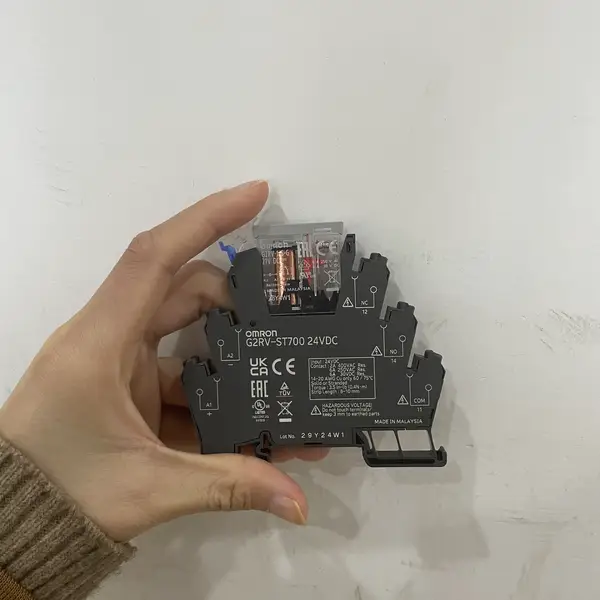
Selection is mostly about the load, not the coil. Confirm the switched voltage and current (resistive vs inductive vs lamp inrush), the required contact arrangement (SPDT, DPDT, 4PDT), coil voltage (24 VDC dominates new panels), and mounting — PCB, DIN socket, or slim terminal block. For heater and lamp circuits above a few amps at high duty, an SSR outlives a mechanical relay by an order of magnitude; for mixed and small loads, the G2R remains the default.
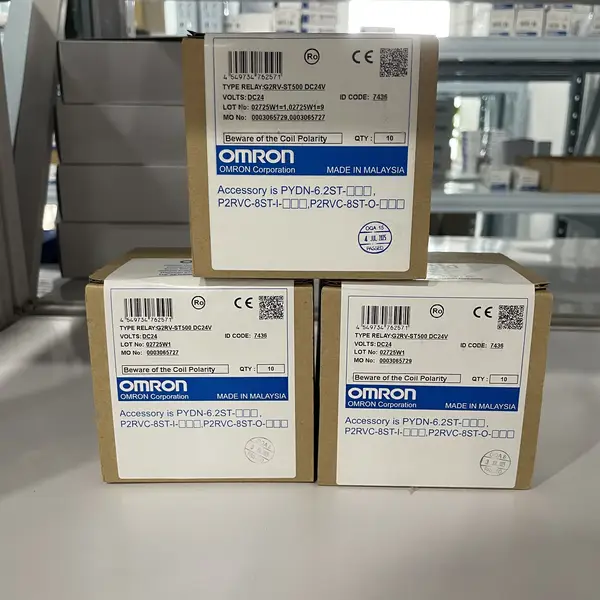
We stock the relay, the matching socket, hold-down clips and markers together — the most common cause of panel delays is a relay arriving without its socket. High-frequency and RF signal relays (the G6K/G6W families) are a different, signal-level product line: if you need RF switching, contact us with the frequency and load and we will confirm availability.
Popular Series and Buying Notes
Featured Product Guides
50 products available in this category.
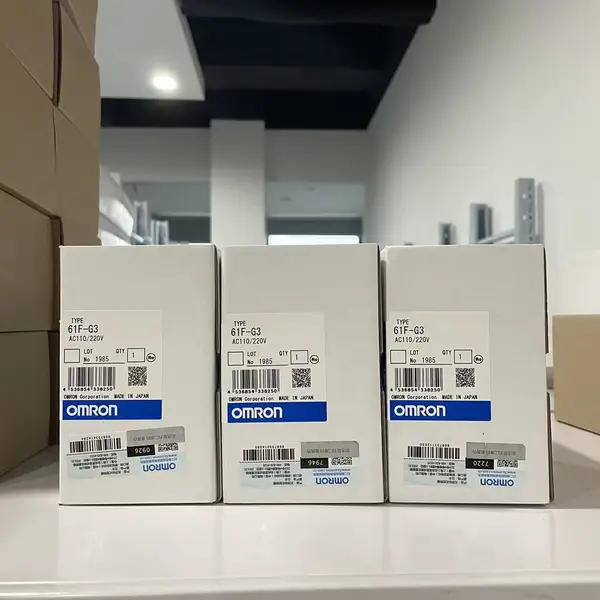
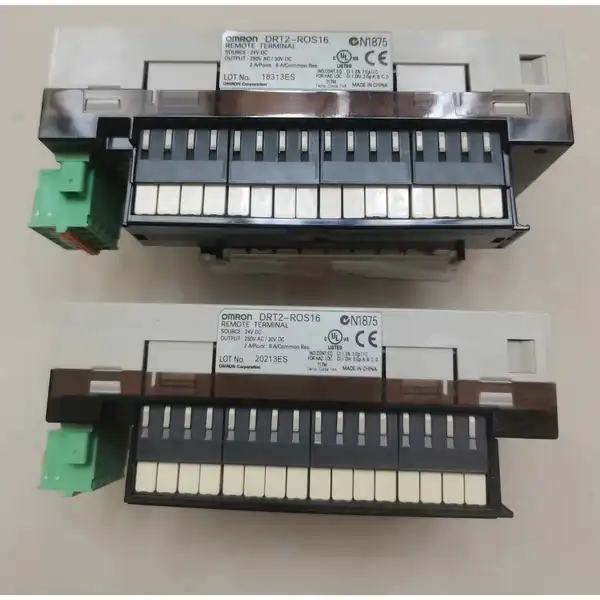
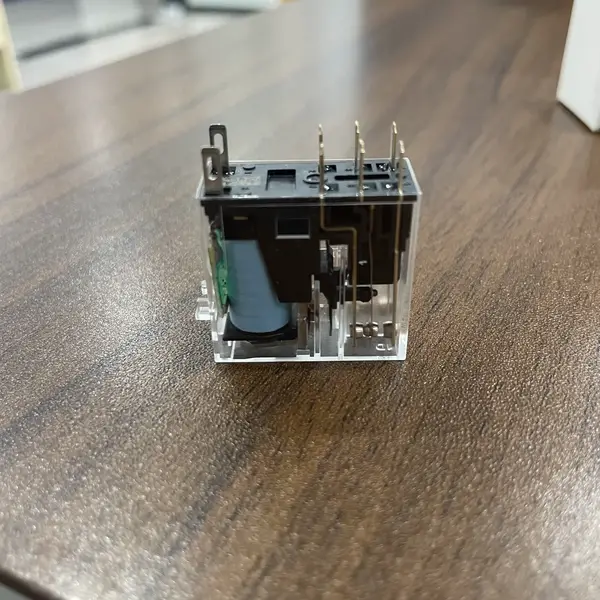
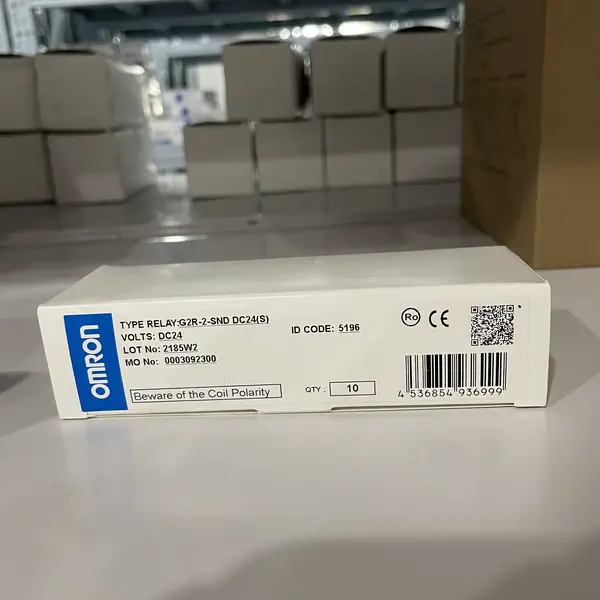
Why Choose Omron relays?
Choose an Omron relay by load type and operating duty first. General-purpose and interface relays suit conventional contact switching; solid-state relays suit frequent DC or AC switching when the thermal design is correct; safety relays belong in a separately validated safety function.
- General-purpose and interface relays for control-panel signal and load switching
- Solid-state relays for frequent operation, with load-specific heat-sink and leakage-current checks
- Safety relays for guarded circuits only as part of a validated safety architecture
- Selection by coil voltage, contact arrangement, load rating and electrical life
- Plug-in, PCB, panel and DIN-rail mounting options with model-specific accessories
